
Why The Work From Home Revolution is Rocking the USA Job Market in 2026
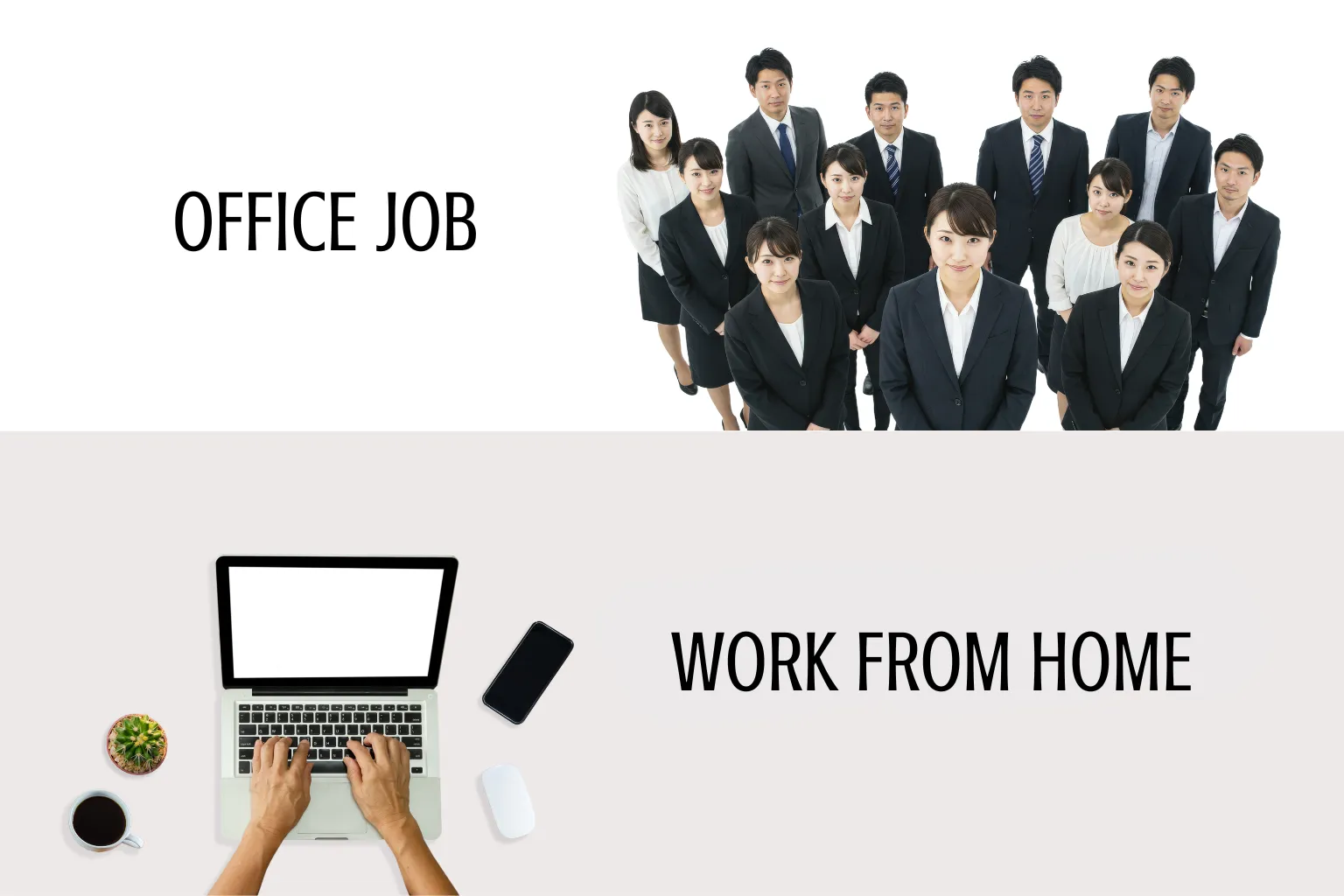
The American workforce is standing at a volatile fault line. The seismic shift that started with a global health crisis has morphed into a fundamental, high-stakes battle over where, when, and how we earn a living. On one side stands the traditional Office Job, tethered to cubicles, commute times, and corporate campuses. On the other, the revolutionary promise of Work From Home (WFH), offering freedom, flexibility, and a permanent escape from the daily grind.
But this is not a gentle debate—it’s a massive, multi-billion dollar struggle impacting every corner of the United States economy. From the struggling downtown economies in major hubs like New York and Chicago, where once-bustling office towers now face record 24% vacancy rates, to the dramatic demographic shifts as millions of Americans leave expensive coastal cities for lower-cost states like Texas and Florida, the impact is immense. This isn’t just about comfort; it’s about career longevity, financial stability, and mental health. Workers across all industries—from high-demand tech roles to essential customer service positions—are facing an urgent, life-altering choice: sacrifice flexibility for job security, or risk a paycheck for a better quality of life.
The pressure is mounting. Employers, wary of an economic slowdown and grappling with productivity concerns, are aggressively pushing for a “return to office” (RTO), even as employees, especially the highly sought-after Gen Z and Millennial talent, threaten to quit rather than comply. A recent survey confirmed the urgency: 85% of workers now say remote work flexibility matters more than salary when considering a new job. For millions of hardworking Americans, the decision made in 2026 will determine their future prosperity and overall well-being. This investigative report cuts through the noise to deliver the essential data, expert opinions, and real-world impact you need to make the right career move.
Table of Contents

The Unstoppable Rise of Remote Work: A Data-Driven Look
The widespread acceptance of Work From Home is not a passing fad; it is a permanent structural change in the American labor landscape. Despite the wishes of some corporate executives, the data shows that flexibility is now deeply embedded in the career expectations of nearly a quarter of the entire U.S. workforce.
The New Normal: US Telework Rates and Forecasts
While the extreme remote work numbers of 2020 have leveled off, the new baseline for remote and hybrid work is remarkably high and stable. This is the new floor, not the ceiling.
- Steady State: The U.S. telework rate has stabilized, consistently ranging between 17.9% and 23.8% of the workforce whose jobs can be done remotely. This signifies that at any given time, nearly 1 in 4 Americans are working outside a traditional office.
- Hybrid Dominance: Almost 80% of employees in ‘remote-eligible’ jobs are now working either hybrid (52%) or fully remote (26%). The all-or-nothing office model is effectively obsolete for a majority of professionals.
- The Office Sector Shock: The physical ramifications are stark. U.S. office vacancy rates hit a new record high of 19.8% last quarter, and experts at Moody’s forecast this could surge to 24% by 2026. This is a dramatic warning sign for real estate investors and local city tax bases alike.
Example: Consider the case of Sarah Chen, a software engineer in San Francisco. She transitioned to a fully remote role with a company based in Austin, Texas. By avoiding a $4,000/month rent and $300/month in commute/lunch costs, her personal wealth trajectory fundamentally changed, allowing her to put a down payment on a house in a smaller, more affordable city in the Midwest. This isn’t a unique story; it’s the new economic model for millions of high-earning professionals.
The Hidden Costs of the Daily Commute
The argument for Work From Home often centers on productivity, but the financial and psychological toll of the daily commute—a trending USA search term—is a powerful emotional trigger for the workforce.
- Time is Money: The average American commute clocks in at over 50 minutes round-trip. For a worker, this equates to roughly 200 hours per year—the equivalent of an extra five weeks of full-time, unpaid labor—simply spent sitting in traffic or on a train.
- The Financial Drain: A worker commuting 20 miles daily can easily spend over $2,500 annually on gas, tolls, and vehicle maintenance, not including the cost of expensive, quick-service lunches near corporate offices.
- Mental Well-being: Studies link long commutes to higher stress levels, lower job satisfaction, and even increased blood pressure. The ability to reclaim those hours is a massive boost to work-life balance, which Gen Z values highly, seeing flexibility as a baseline expectation, not a perk.
The Case for Traditional Office Jobs: Why Employers are Pushing RTO
While the worker preference is clear, the leadership in major corporations is increasingly signaling a “Great Return” for 2026. This push for traditional Office Jobs is driven by deep-seated fears about company culture, team cohesion, and long-term organizational health. By 2026, the percentage of companies requiring full five-day office attendance is projected to rise to 30%.
The Critical Loss of Spontaneous Innovation
The most persuasive argument from CEOs is the irreplaceable magic of in-person collaboration. The “water cooler moment” is an LSI keyword for essential, unscheduled interaction.
- Serendipitous Creativity: Many business leaders argue that breakthrough ideas often happen in the unplanned moments—the quick chat over coffee, the impromptu whiteboard session, or overhearing a conversation that sparks a solution. This spontaneous innovation is difficult to replicate through scheduled video calls.
- Cross-Functional Synergy: When teams are siloed across different cities or states, the natural friction and cross-pollination between departments (e.g., marketing and engineering) diminishes, potentially slowing down product development and problem-solving.
- The Human Connection: Leaders fear that the transactional nature of remote work—where every interaction is a scheduled meeting—erodes the personal bonds that keep teams resilient during high-pressure times. This is a vital human angle in the debate.
The Mentorship and Training Gap in Remote Teams
A significant and often overlooked impact of widespread Work From Home is the challenge of developing the next generation of American talent.
- Learning by Osmosis: For junior employees, much of their growth comes from observing senior colleagues—listening to how they handle a complex client call, structure a negotiation, or manage a tense meeting. This osmosis-based learning is almost impossible to formalize remotely.
- Skill Acquisition and Confidence: Companies are seeing a measurable drop in the confidence and competency of employees hired and trained entirely remotely. Without the ability to quickly swivel a chair and ask a clarifying question, small uncertainties can balloon into major mistakes.
- Protecting Company Culture: For many companies, the office is the physical embodiment of their mission and values. The RTO mandate is often less about productivity and more about a desperate attempt to preserve a unified corporate identity, which they believe is critical for long-term success and employee retention.
Example: A recent study of a major US banking firm showed that while senior employees were equally productive at home, new hires who were completely remote took 30% longer to achieve full competency compared to their in-office counterparts, demonstrating a clear real-world impact on career progression.
Work From Home vs. Office Jobs: Comparing Key Career Metrics
The ultimate question for the individual worker is how each model impacts their wallet, their progress, and their peace of mind. The data presents a complex picture, urging US professionals to weigh trade-offs carefully.
Salary and Compensation Trends in a Flexible World
The economic leverage has shifted, and location-based pay is the new battleground for high CPM keywords like Work From Home salary.
- The Remote Pay Cut Dilemma: A startling 9% of U.S. workers would willingly take a 20% pay cut to work remotely, with 21% accepting a 10% reduction. This signals a massive psychological value placed on flexibility, one that employers are starting to exploit. Companies in high-cost-of-living areas, like Seattle or Boston, are increasingly implementing geographical pay bands, meaning a remote worker in a low-cost state might earn less than an in-office colleague performing the exact same job.
- The True Cost Advantage: Despite potential pay cuts, remote workers often see a significant increase in disposable income. Savings on commuting, clothing, dry cleaning, and lunches can easily exceed $5,000 to $10,000 per year—an important financial stability metric.
- Office Job Pay Security: Workers in traditional Office Jobs, especially those in specialized fields like finance and law in major cities, are more likely to command a higher nominal salary due to the cost of living index in those major urban areas and the direct, immediate access to high-value networks.
| Metric | Work From Home (WFH) | Traditional Office Job | 2026 Outlook |
| Nominal Salary | Moderate, often subject to geographic pay cuts. | High, correlated with high cost-of-living areas. | Office wins for raw, top-line pay. |
| Disposable Income | High due to $5k-$10k annual savings. | Lower due to high commute/expense costs. | WFH wins for net cash in hand. |
| Career Advancement | Slower for junior staff; relies heavily on self-promotion. | Faster for junior staff due to mentorship access. | Office wins for rapid early-career growth. |
| Work-Life Balance | Excellent, with reclaimed commute time. | Poor to Moderate, tied to 9-to-5 structure. | WFH wins overwhelmingly on flexibility. |
Productivity, Burnout, and Mental Health
The assumption that Work From Home equals lower productivity is consistently debunked by the numbers, but a new crisis—remote burnout—is emerging.
- The Productivity Paradox: A 1% rise in remote work is linked to a 0.05% increase in productivity across the board. Furthermore, employees at companies that embrace remote/hybrid models show nearly 42% higher productivity than typical U.S. workplaces. Remote workers gain approximately 62 productive hours each year from fewer in-office interruptions.
- The Burnout Epidemic: Despite the clear productivity gains, the blurring line between home and work has led to a major mental health crisis. Reports show that 54% of remote workers felt overworked, and 39% cited burnout. The isolation and lack of social interaction—key NLP keywords—are real psychological stressors that can compromise long-term career health.
- Office as a Boundary: The physical act of leaving home and going to an office provides a necessary mental and emotional boundary. For many, this structured separation is the key to preventing work from encroaching on personal time, leading to healthier long-term career stamina.
The Highest-Paying Work From Home Jobs for 2026
For Americans seeking the highest financial rewards without sacrificing location flexibility, specific career paths are showing explosive growth and premium compensation. These roles require highly technical, in-demand skills and often focus on measurable outcomes rather than seat time.
In-Demand Tech and Finance Roles
The highest CPM keywords for remote salaries cluster around sophisticated technical and financial roles. These jobs are the bedrock of the modern economy and are highly transportable.
- Software Architect: These professionals design the framework for entire IT systems. Their strategic value is immense, and they often command $140,000 to $160,000 fully remote, making them one of the best high-paying Work From Home careers. LSI Keywords: Cloud Computing, DevOps Engineer, AWS.
- Data Scientist/Machine Learning Engineer: The ability to analyze massive datasets and build predictive models is a CEO-level priority. Since the work is fundamentally digital, these roles are ideal for remote work, with six-figure salaries being the standard.
- Digital Marketer/SEO Specialist: With nearly every business operating online, the demand for specialists who can drive online brand visibility and revenue is soaring. These roles are outcome-based, making them perfect for flexible arrangements.
- Project Management (PMP Certified): Professionals skilled at managing time, budget, and remote teams are essential. They serve as the connective tissue for distributed groups, earning premium pay for organizational and communication mastery.
Expert Tone: “The market is no longer paying for presence; it’s paying for proven, specialized performance. If your output is measurable and your skill set is rare, you can write your own ticket for a Work From Home salary, regardless of your zip code.” — Dr. Evelyn Reed, Workforce Economics Consultant.
Essential Soft Skills That Guarantee Remote Success
Technical skills are a prerequisite, but the emotional intelligence and discipline required for successful Work From Home careers are the true separators between success and failure.
- Radical Proactiveness: In the office, problems find you. At home, you must actively seek out issues, communication gaps, and opportunities to collaborate. Successful remote workers are highly proactive self-starters.
- Mastery of Asynchronous Communication: Knowing when a quick message is sufficient versus when a detailed document or a scheduled call is necessary. This minimizes the “always-on” anxiety and ensures team clarity.
- Ironclad Self-Discipline: The biggest trap of WFH is the blurred boundary. Elite remote workers treat their home office like a physical office, maintaining a strict start and end time to prevent burnout and ensure sustained performance.
The Future is Hybrid: Finding the Career Sweet Spot
The future of work in the USA is not all-remote or all-office; it’s a flexible, blended model. The goal for every American worker in 2026 should be to secure a high-value Hybrid Work arrangement—the ultimate middle ground that captures the benefits of both worlds while mitigating the risks.
Negotiating a Hybrid Arrangement That Works for You
A strong negotiation is critical. You must frame your request around your performance, not your preference.
- Lead with Productivity Metrics: Before asking for a Work From Home day, present data demonstrating your high output and efficiency over the last year. Focus on objective results: “Since implementing the new sales strategy, I’ve increased my remote-generated leads by 15%. To maintain this focus, I propose two remote days per week.”
- Propose a Team-Centric Schedule: Don’t just ask to stay home. Propose which days you will be in the office, strategically aligning them with key team meetings, client presentations, or mentorship sessions. This shows you value in-person collaboration.
- Formalize the Arrangement: Ensure your Hybrid Work schedule is officially documented. This protects you from arbitrary RTO mandates and provides job security in a turbulent market.
The Rise of the Digital Nomad and Its US Impact
The ability to Work From Home has paved the way for the Digital Nomad—a high-earning worker who can live and work from anywhere, a key trending USA search term. While the lifestyle is romantic, it has a serious economic impact.
- The Housing Market Shockwave: High-earning tech and finance professionals moving out of major coastal hubs are causing massive house price inflation in secondary and tertiary US markets (e.g., Boise, Idaho; Asheville, North Carolina). This is creating an urgent affordability crisis for long-time local residents, adding a significant real-world impact to the WFH trend.
- The Global Talent Pool: As U.S. companies become comfortable with remote talent, they are increasingly opening up roles to global candidates. For the American worker, this means the competition for high-paying Work From Home jobs is no longer just local or national—it’s international. U.S. professionals must continuously upskill to maintain their competitive edge.
Frequently Asked Questions (FAQs)
What is the biggest downside of working from home in 2026?
The biggest downside is professional isolation and career stagnation for junior staff. The lack of organic interaction can lead to burnout, and without face time, it’s often harder to build the network necessary for promotions. It requires highly deliberate effort to stay visible.
Do remote workers get paid less than office workers for the same job in the USA?
Often, yes. Many large U.S. companies are adjusting salaries based on the worker’s geographical location to save money. A worker in a low-cost state doing a Work From Home job may earn 10-20% less than a colleague in New York or California performing the exact same duties.
Which is more secure: an office job or a work-from-home job?
In 2026, the office job may offer slightly more security. As companies seek to consolidate costs and regain control, those who show up in person often have a perceived advantage in commitment and are less likely to be part of the first wave of layoffs during a business downturn.
How can I make sure I get promoted while working remotely?
You must be radically transparent and proactive. Set clear, quantifiable goals (metrics over tasks), over-communicate your successes, and schedule regular, non-work-related virtual check-ins with your manager and senior leaders to maintain professional visibility and rapport.
Is the ‘Return to Office’ trend here to stay in the USA?
Yes, the push for the Return to Office (RTO) is a firm trend. While a full five-day week is unlikely for most, hybrid work (2-3 days in the office) is becoming the standard for major American corporations. Only 30% of companies plan to completely remove remote work by 2026, meaning most will keep some form of flexibility.
Securing Your Financial Future
In conclusion, the seismic conflict between Work From Home and traditional Office Jobs has fundamentally reshaped the American career path. In 2026, the successful professional will not choose a side, but rather, will master the nuances of both.
The urgent lesson is clear: The office remains the undisputed center for rapid early-career development, spontaneous innovation, and higher nominal salaries. But Work From Home offers an irreplaceable value proposition in terms of financial savings, mental health, and work-life balance—a value so great that millions of Americans are willing to trade salary for it.
Your career strategy must be a calculated blend. Leverage high-paying Work From Home skills like Software Architecture or Data Science. Use the financial freedom to build your long-term wealth. But be intentional about maintaining professional visibility and network strength, even if it means sacrificing some of your home-based comfort for critical in-office days. The future belongs to the worker who is flexible, measurable, and masterful at navigating the new, blended reality.
For more breaking USA news and career insights, visit (https://righway.com/) daily.