

UK Ministry of Justice Orders Courtsdesk Shutdown Over Test Feature
LONDON, UK – The UK Ministry of Justice (MoJ) has ordered Courtsdesk, a vital legal transparency platform used by 1,500 journalists, to cease operations and delete its entire archive following an alleged data protection breach linked to a test feature. The November 2025 directive shuts down a service that delivered 12,000 daily hearing updates, sparking outrage among press freedom advocates who warn the move plunges the British justice system back into the dark ages just as public demand for accountability peaks.
Fast Facts
- The Order: HM Courts and Tribunals Service (HMCTS) issued a cessation notice in November 2025, mandating the deletion of all historical data.
- The Cause: The MoJ cites “unauthorised sharing” of court data via a beta test feature as a severe GDPR violation.
- The Impact: Journalists lose access to a system that revealed 1.6 million criminal hearings had no advance notice.
- The Context: The shutdown coincides with the 100,000-signature ‘Free Court Transcripts’ petition and MP Rupert Lowe’s Rape Gang Inquiry.
Why This Matters
The UK Ministry of Justice Courtsdesk shutdown represents more than a contract dispute; it is a potential chokehold on open justice. By dismantling the only centralized database capable of tracking systemic failures, the government has effectively blinded the press to the inner workings of the courts. This occurs simultaneously with MP Rupert Lowe’s high-profile Rape Gang Inquiry, which relies heavily on court data to expose institutional failures, and a surging public campaign for free access to court transcripts. Critics, including tech mogul Elon Musk, argue that removing such tools under the guise of data protection consolidates state secrecy at a time when public trust in the judiciary is already fragile.
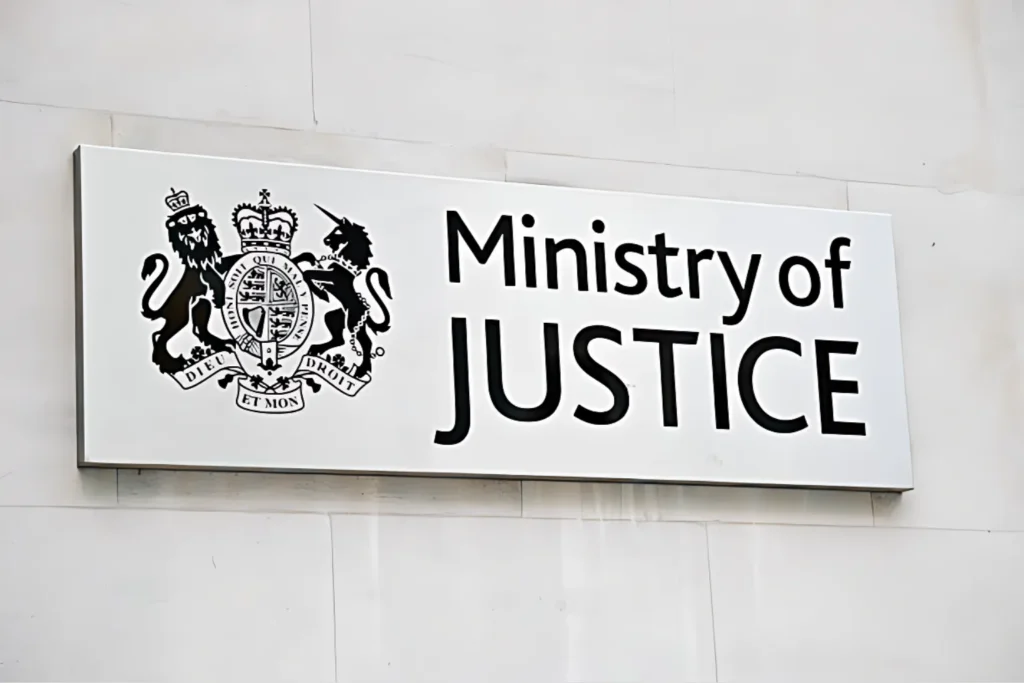
The Shutdown Order
The conflict centers on a “test feature” Courtsdesk rolled out to a limited user base. According to the MoJ, this feature facilitated the “unauthorised sharing” of sensitive personal data, constituting a breach of the data license agreement.
Solicitor General Sarah Sackman defended the government’s hardline stance. “The Government takes our data protection responsibilities seriously,” Sackman stated. “It is for that reason that we decided to stop sharing data with Courtsdesk, a company that was prepared to put victims’ personal data at risk.”
However, Courtsdesk CEO Enda Leahy disputed the proportionality of the response, characterizing it as a “nuclear option” that destroys years of work over a technicality.
“We built the only system that could tell journalists what was actually happening in the criminal courts. We wrote 16 times asking for dialogue. Last week we got our answer: delete everything.” — Enda Leahy, Courtsdesk CEO.
A Legacy of Exposing Failure
Launched in 2021 as a pilot to modernize court reporting, Courtsdesk quickly became indispensable. Before its termination, the platform’s data painted a damning picture of administrative chaos within HMCTS.
The service revealed that:
- 1.6 million criminal hearings took place with zero advance notice to the press.
- Official court listings were accurate on just 4.2 percent of sitting days.
- Over 500,000 weekend cases were processed without notifying the media, effectively holding secret hearings.
These statistics provided the empirical backbone for investigations into justice delays and administrative errors. With the archive ordered for deletion, this historical record of systemic dysfunction is set to vanish.
Collision Course: Inquiries and Petitions
The timing of the shutdown has fuelled speculation about political motivations. It aligns with the escalation of the Rupert Lowe Rape Gang Inquiry, an independent investigation into grooming gangs that relies on historical court data to track sentencing patterns and failures by local authorities.
Simultaneously, a parliamentary petition started by barrister Daniel ShenSmith, titled “Make all court and tribunal transcripts available free of charge,” surged past 148,000 signatures this week. The petition challenges the current model where private companies charge thousands of pounds for transcripts, effectively paywalling justice.
High-profile figures have weighed in on the wider debate. Elon Musk recently decried the “secrecy” inherent in the British legal system, amplifying claims that the MoJ’s actions are regressive.
What’s Next: A ‘New’ Promise
The Ministry of Justice has promised that press access will remain unchanged via a “new data license” and a forthcoming internal database. However, no timeline has been provided for this replacement.
- Immediate Fallout: Local journalists, who lack the resources to physically attend every magistrates’ court, are now effectively locked out of covering low-level but high-public-interest crime.
- Parliamentary Pressure: With the transcript petition passing the debate threshold, Parliament will be forced to discuss the cost of justice data, potentially putting the Courtsdesk decision under the microscope.
- Legal Challenges: It remains unclear if Courtsdesk will seek judicial review of the cessation notice.
Frequently Asked Questions (FAQ)
Why did the UK Ministry of Justice shut down Courtsdesk?
The MoJ ordered the shutdown due to an alleged data protection breach. They claim a “test feature” on the platform allowed for the unauthorised sharing of sensitive court data, violating their data license agreement.
What is the Rupert Lowe Rape Gang Inquiry?
It is an independent inquiry launched by Reform UK MP Rupert Lowe to investigate the grooming gang scandals across the UK. The inquiry relies on data to uncover how and why these crimes were allowed to happen, making access to court records vital.
How does the Courtsdesk shutdown affect UK journalists?
The shutdown removes the only centralized, searchable database of magistrates’ court hearings. Journalists can no longer remotely track cases or receive alerts, meaning many criminal hearings will now go unreported.
What is the petition for free court transcripts about?
The petition, which has over 100,000 signatures, calls for the government to stop charging high fees for court transcripts. Currently, private companies own the rights to the recordings, and obtaining a transcript can cost thousands of pounds.
Will there be a replacement for Courtsdesk?
The Ministry of Justice has stated they are developing a new data license and internal database to facilitate press access, but they have not released a launch date or specific details on its capabilities.
In Conclusion, The erasure of the Courtsdesk archive marks a significant retreat for open justice in the UK. While the Ministry of Justice maintains that data security is paramount, the collateral damage is the public’s right to know what happens in their courts. As the government moves to build its own solution, the gap between official narratives and the reality of a crumbling court system has never been wider.
For more breaking global news and updates on UK legal transparency, visit https://righway.com/ daily.