

The landscape of higher education debt is changing rapidly. Recently, the U.S. government announced a major administrative shift, leading many to search for how the treasury take over federal student loans will impact their wallets. If you have educational debt, understanding this transition is critical for your financial health.
While the U.S. Treasury Department is stepping in to manage debt collection—starting with defaulted debts—this transition also unlocks new, simplified repayment benefits and rehabilitation options for borrowers. This guide explains what this federal takeover means, who is affected, and the exact steps you need to take to protect your finances, apply for updated repayment benefits, and keep your loans out of default.
What does it mean to take out federal student loans?
Taking out a federal student loan means borrowing money directly from the U.S. government to fund your college education. Historically, the Department of Education handled everything from disbursing the funds to collecting your monthly payments.
However, a recent policy shift transfers operational responsibility for student loan debt collection to the Treasury Department. The goal is to streamline the massive $1.6 trillion federal student loan portfolio. For borrowers, this means the agency collecting your payments and enforcing defaulted debts is changing. While the Treasury brings stricter collection tools, this shift also introduces new, highly structured repayment and relief options.

Who Qualifies for treasury take over federal student loans
Because this is a federal administrative change rather than a traditional cash grant, you do not “apply” for the takeover itself. Instead, your loans automatically qualify for this new management system based on their current status.
Currently, borrowers with federal student loans in default are the first group affected by the Treasury’s operational takeover. The Treasury uses its existing infrastructure, such as the Treasury Offset Program (TOP), to manage these accounts. Over time, the program is expected to expand, meaning anyone with active federal student aid will eventually have their accounts overseen by the Treasury Department.
Benefits and Financial Support Available
While the phrase “takeover” may sound intimidating, the transition coincides with new borrower benefits under recent legislative updates like the Working Families Tax Cuts Act. When managing your debt under this new system, the financial support and benefits available to you include:
- Simplified Repayment Plans: Access to a newly streamlined Income-Driven Repayment (IDR) plan.
- Interest Waivers: The new IDR plan waives unpaid interest for borrowers who make their scheduled on-time payments.
- Second-Chance Rehabilitation: Borrowers are now granted a rare second opportunity to rehabilitate their loans and remove the default status from their credit reports.
- Collection Pauses: A temporary delay on involuntary collections (like wage garnishment and tax refund seizures) gives borrowers time to organize their finances without penalty.
Step-by-Step Guide: How to Apply for treasury take over federal student loans
While the transfer of your loan to the Treasury is automatic, you must actively apply for the associated repayment benefits and hardship protections to prevent your tax refunds from being seized.
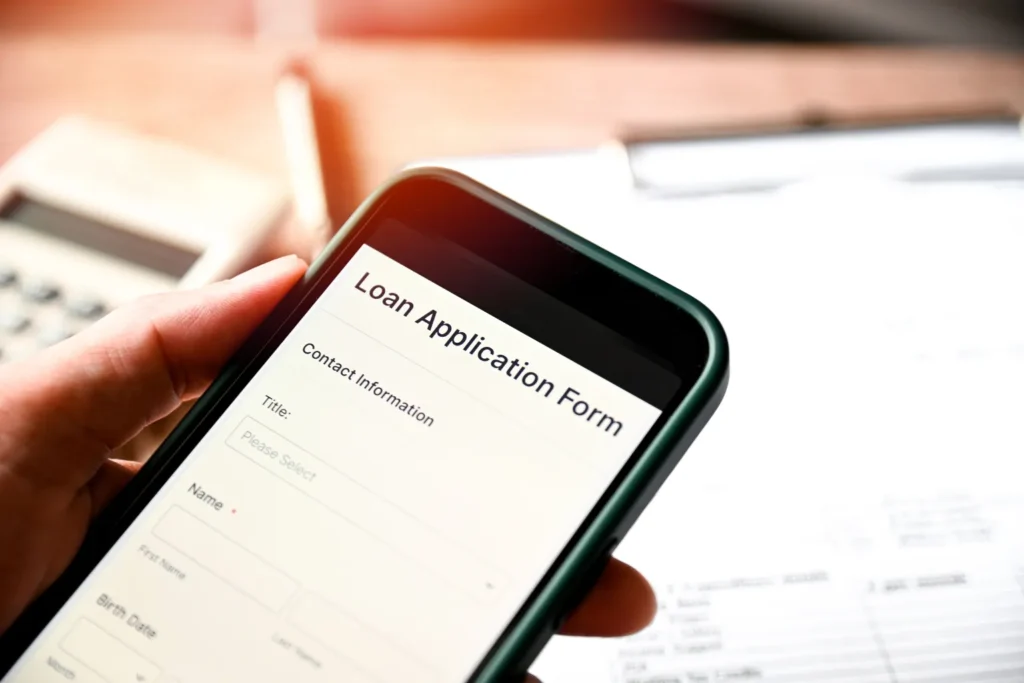
Step 1 – Check eligibility
Log into your StudentAid.gov account to verify your current loan status. Check if your loans are currently in default and identify your assigned loan servicer under the new system.
Step 2 – Gather required documents
Collect the necessary paperwork to prove your current financial standing. This includes your most recent tax returns, recent pay stubs, and a valid government-issued ID.
Step 3 – Complete the application
Work with your loan servicer to apply for an Income-Driven Repayment (IDR) plan or request a second-chance loan rehabilitation agreement. Fill out the forms accurately, detailing your family size and income.
Step 4 – Submit the application
Submit your completed application digitally through the federal student aid portal or directly to your loan servicer. Ensure all data matches your IRS records to avoid processing delays.
Step 5 – Track approval status
Monitor your email and online portal for updates. Once approved, your servicer will confirm your new monthly payment amount or notify you that your loan has been successfully rehabilitated.
Required Documents for Application
To successfully enroll in the new repayment plans or a rehabilitation program under the Treasury’s oversight, you must prepare the following documents:
- Proof of income (recent W-2s, tax transcripts, or pay stubs)
- Social Security Number or government-issued identification
- Your Federal Student Aid (FSA) ID and password
- Documentation of monthly living expenses (only if applying for a specific financial hardship exemption)
Common Application Mistakes to Avoid
Navigating government debt programs can be tricky. Avoid these common errors that can delay your benefits or put your assets at risk:
- Ignoring Official Mail: Do not ignore letters from the Treasury or your servicer. These often contain critical deadlines to stop a tax refund offset.
- Outdated Contact Information: Failing to update your address on StudentAid.gov means you could miss vital notices about your debt transfer.
- Forgetting to Recertify: Income-driven plans require annual recertification. Forgetting this step can cause your monthly payments to skyrocket unexpectedly.

When Will You Receive Benefits
Approval timelines depend on the specific relief program you choose. If you enter a loan rehabilitation agreement, your loan will be officially removed from default status after you make nine consecutive, on-time monthly payments.
If you are waiting for the newly simplified Income-Driven Repayment plan that includes the unpaid interest waiver, that program is scheduled to officially launch and provide benefits to borrowers beginning July 1, 2026. In the short term, the current pause on involuntary collections offers immediate financial breathing room while you get your application in order.
Final Thoughts, The treasury take over federal student loans represents a historic change in how the government manages educational debt. While the Treasury Department utilizes powerful tools to collect defaulted debts, borrowers simultaneously have access to unprecedented second-chance rehabilitation programs and more affordable repayment options. Take control of your financial future today by updating your contact information, reviewing your loan status, and applying for an income-driven repayment plan to protect your hard-earned assets.
FAQ Section
What happens if the Treasury takes over my student loan?
When the Treasury takes over, they handle the operational collection of your debt. For defaulted loans, this means they can use tools like the Treasury Offset Program to collect payments, but you also gain access to new, simplified repayment and rehabilitation options.
Can the Treasury offset program take my tax refund for student loans?
Yes. If your federal student loans are in default, the Treasury Offset Program (TOP) can legally intercept your federal tax refund and apply it to your outstanding loan balance. Applying for loan rehabilitation can stop this process.
How do I get my student loans out of default?
You can get out of default by applying for a loan rehabilitation agreement, consolidating your loans, or paying the debt in full. Recent reforms now allow borrowers a second chance to rehabilitate a defaulted loan.
Will my student loan interest be waived?
Under the new Working Families Tax Cuts Act reforms, a simplified Income-Driven Repayment (IDR) plan launching in July 2026 will waive unpaid interest for borrowers who consistently make their on-time monthly payments.
Is the Department of Education still managing student loans?
While the Department of Education retains authority over policy, program rules, and statutory obligations, the operational responsibility for debt collection—especially for defaulted loans—has been transferred to the Treasury Department.