
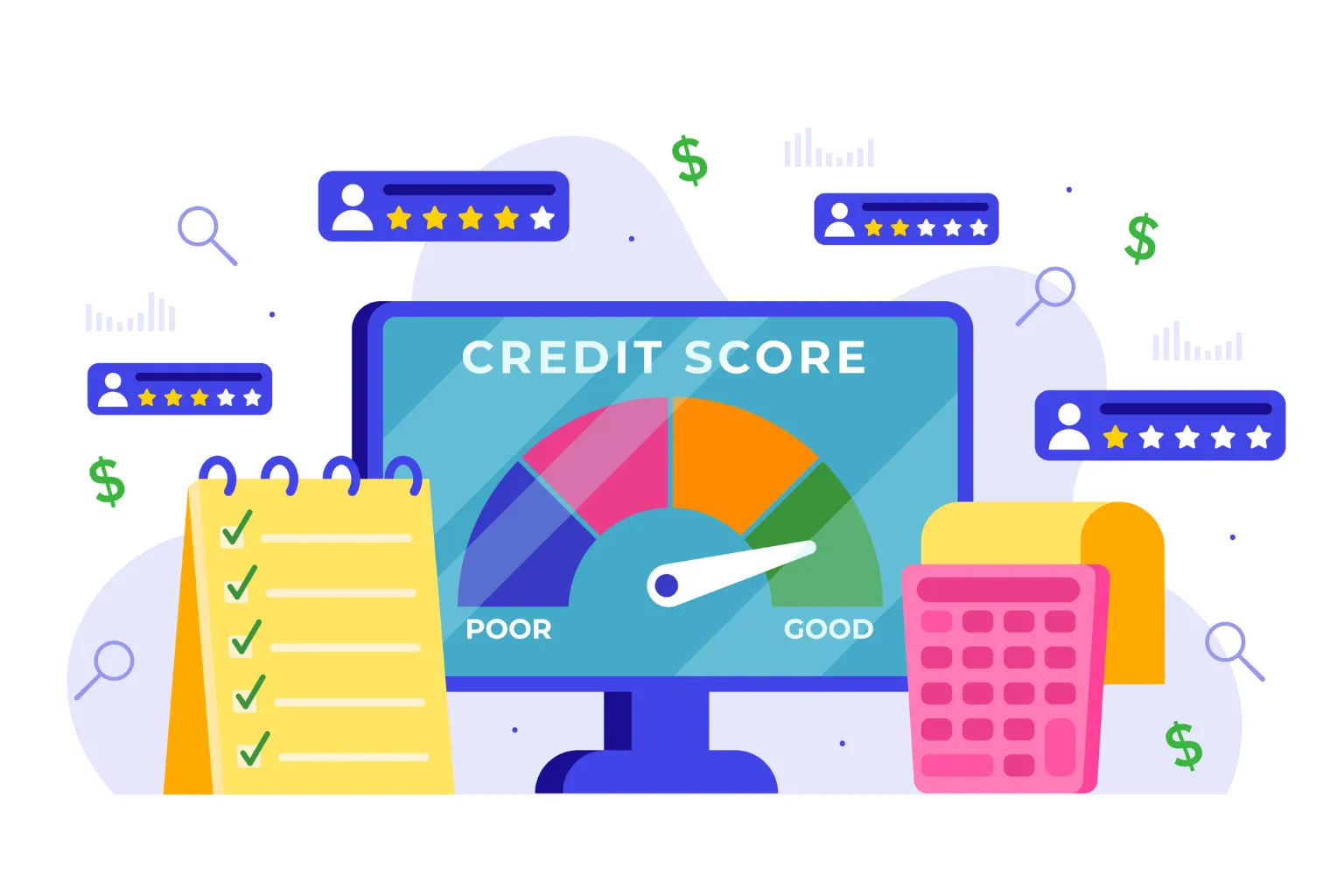
With the average U.S. FICO score sitting at 714 in early 2026, millions are leaving money on the table. Lenders reserve the lowest interest rates and best terms for borrowers with excellent credit — 800 or higher. Only 23% of Americans reach this level.
If you’re in the U.S., Canada, UK, Australia, or Europe and want a stronger financial footing, learning how to increase credit score to 800 is one of the highest-ROI moves you can make. It’s not about luck or perfect timing. It’s about consistent habits that the major scoring models reward. These steps work whether you use FICO (U.S./Canada), Experian (UK), or equivalent systems in Australia and Europe.
What Is an 800 Credit Score?
A credit score is a three-digit number that predicts how likely you are to repay debt. In the U.S. and Canada, FICO and VantageScore range from 300–850 (or 900). An 800+ score is “exceptional” — the top tier that signals rock-solid reliability to lenders.
In the UK, the same habits push Experian scores toward 900+. In Australia, they lift Equifax or Illion scores into the highest brackets. The number looks different by country, but the goal is identical: prove you handle credit responsibly.
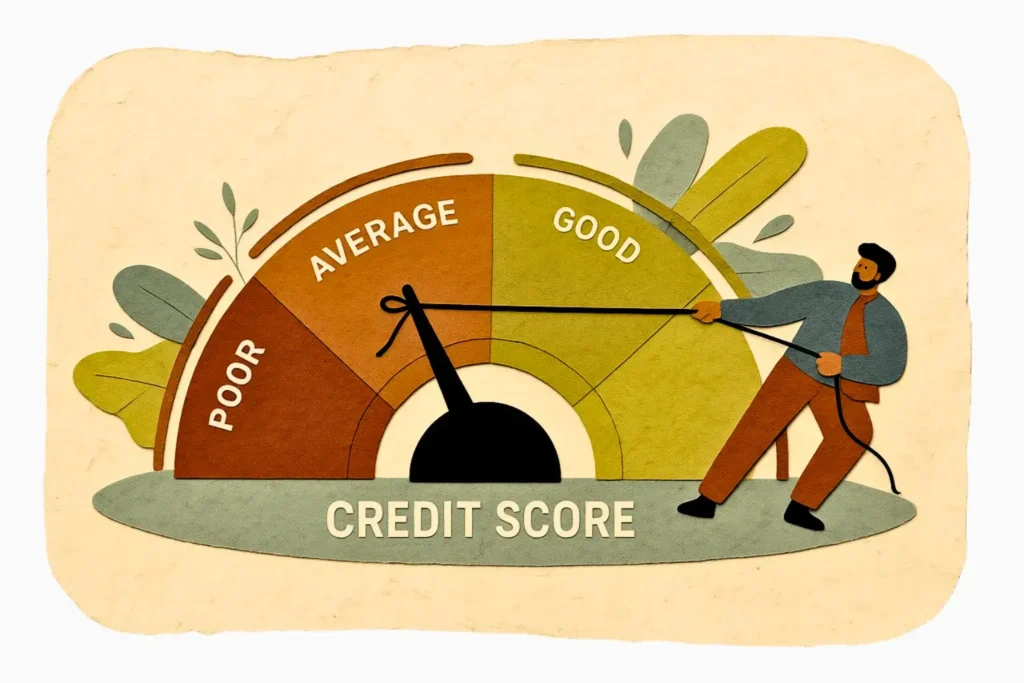
Why Increasing Credit Score to 800 Matters for Financial Success
Hitting 800 unlocks real savings. You qualify for the best mortgage rates (often 0.5–1% lower), auto loans, and credit cards with premium rewards and no annual fees. Over a 30-year mortgage, that can mean $20,000–$50,000 in interest saved.
It also improves approval odds for apartments, reduces security deposits, and strengthens job or insurance applications in some regions. More importantly, it gives you breathing room to budget aggressively, invest earlier, and build wealth faster. When your score is excellent, money works for you instead of against you.
How to Increase Credit Score to 800
1. Pay every bill on time — every single time.
Payment history makes up 35% of your FICO score. Set up autopay or calendar reminders for credit cards, loans, utilities, and rent. Even one 30-day late payment can drop your score 50–100 points and stay on your report for up to seven years. Consistent on-time payments are the fastest, most reliable way to climb.
2. Keep credit utilization under 10% (not just 30%).
Amounts owed represent 30% of your score. For an 800+ profile, aim for 1–10% utilization across all revolving accounts. Pay down balances before the statement closes so low figures report to bureaus. Request credit limit increases every 6–12 months (soft pull only) to widen the gap between balance and limit.
3. Pull your credit reports weekly and dispute errors.
You’re entitled to free weekly reports from AnnualCreditReport.com (U.S.), or equivalent sites in Canada, UK, and Australia. One outdated late payment or wrong balance can drag your score down 50+ points. Disputes are free and often resolved in 30 days. Many people see 20–80 point jumps from simple fixes.
4. Keep old accounts open and active.
Length of credit history is 15% of your score. Don’t close your oldest cards — even if you rarely use them. Use them once every few months for a small purchase and pay in full. The longer the average age of your accounts, the stronger your score becomes.
5. Build a smart mix of credit types.
Credit mix accounts for 10%. Having both revolving credit (cards) and installment loans (auto, personal, or student loans paid on time) helps. If your profile is all credit cards, add a small installment loan and manage it perfectly.
6. Limit new credit applications.
New credit is 10% of your score. Each hard inquiry can shave 5–10 points temporarily. Apply only when necessary and space out requests by at least 3–6 months. Rate-shopping for mortgages or autos within 14–45 days usually counts as one inquiry.
7. Become an authorized user on a high-quality account.
If you have a trusted family member with an 800+ score and long history, ask to be added as an authorized user. Their positive history can transfer to your file (as long as the issuer reports it). This strategy helped many young adults and recent immigrants jump 50–100 points quickly.
Common Financial Mistakes to Avoid
Don’t max out cards even if you pay them off monthly — high reported balances still hurt. Never close old accounts to “simplify” your life. Avoid “credit repair” companies promising miracles; legitimate fixes are free or low-cost. And don’t ignore small collections or medical debts — they matter more than most people realize.
Practical Tips to Manage Your Money Better
Track spending for 30 days using a free app. Build a 3–6 month emergency fund so you never carry credit card balances. Use cash-back or rewards cards responsibly and pay them off before interest hits. Review your full credit report every quarter — not just when applying for a loan.
Simple Personal Finance Plan for Beginners
Month 1: Pull all three credit reports, dispute errors, and set up autopay for every bill.
Month 2–3: Pay down revolving debt until utilization is below 10%. Request one limit increase.
Month 4–6: Add one positive tradeline if needed and keep utilization low.
Ongoing: Use credit lightly, check reports monthly, and automate everything. Review progress every 90 days. Most people see 50–150 point gains in 6–12 months.
Real-Life Example or Case Study
Maria, a 42-year-old public school teacher in Chicago, started 2024 with a 642 FICO after maxing out cards during family medical expenses. She automated every payment, dropped utilization to 8% by paying balances twice monthly, disputed one incorrect collection, and kept her oldest card open. Fourteen months later her score reached 812. Result? She refinanced her mortgage at 3.5% instead of 5.25%, saving roughly $18,000 over the life of the loan. Maria now uses her improved score to invest more aggressively in her retirement accounts.
Final Thoughts
Raising your credit score to 800 isn’t flashy, but it’s one of the most powerful financial levers available. It rewards discipline more than genius. Start today with your free credit reports and one autopay setup. Small, consistent actions compound faster than you expect.
The gap between average (714) and excellent (800+) is smaller than it feels — and the rewards are massive.
For more powerful articles on personal finance, budgeting tips, net worth milestones, and wealth-building strategies, visit RIGHWAY daily.
How long does it take to increase a credit score to 800?
It depends on your starting point. If you’re already above 700 and fix utilization plus one error, you can gain 50–100 points in 1–3 months. Reaching 800 from the 600s usually takes 6–18 months of perfect habits. The length of history can add extra time.
Is 800 a good credit score?
Yes — it’s exceptional. Only 23% of Americans have FICO scores of 800 or higher. Lenders treat you as the lowest-risk, which means better rates and more options everywhere from mortgages to credit cards.
What credit utilization ratio gets you to 800?
For 800+ scores, most people keep revolving utilization at 1–10%. The 30% rule is a minimum; top-tier profiles stay far below it.
Can disputing errors on my credit report really raise my score?
Absolutely. One wrong late payment or duplicate account can cost 50–100 points. Free weekly reports make it easy to spot and fix mistakes quickly.
Does closing a credit card hurt your score?
Yes — often significantly. It raises your utilization ratio and shortens your average credit age. Keep old cards open with zero or tiny balances instead.