
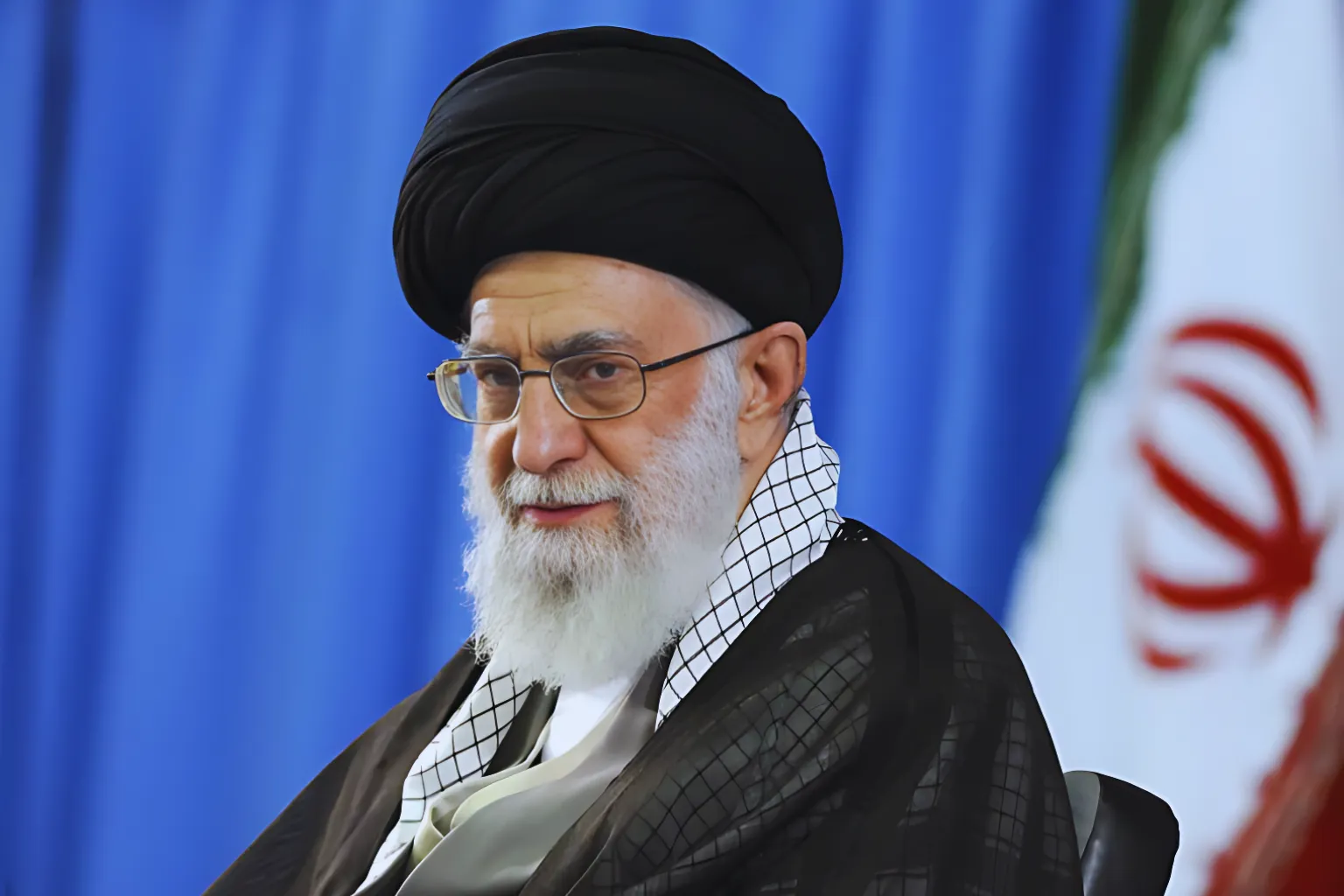
How america and israel Alliance Kneels Iran, Ends Ali Khamenei
TEHRAN, Iran – In a coordinated military operation, america and israel launched devastating airstrikes on Iran, killing Supreme Leader Ali Khamenei and crippling key infrastructure, effectively bringing the Islamic Republic to its knees on February 28, 2026. The assault, dubbed Operation Epic Fury by the U.S. and Roaring Lion by Israel, targeted leadership compounds, nuclear facilities, ballistic missile sites, and military installations across nine Iranian cities, marking a seismic shift in Middle East geopolitics driven by escalating tensions over Iran’s nuclear program and regional influence.
Fast Facts
- Khamenei’s Demise: Ayatollah Ali Khamenei, Iran’s supreme leader for 36 years, was killed at age 86 in a targeted strike on his Tehran compound, confirmed by U.S. President Donald Trump and Iranian state media.
- Joint Operation Scale: america and israeli forces struck hundreds of sites, including ballistic missile facilities with B-2 stealth bombers, destroying Iran’s navy and degrading proxy networks.
- Iranian Retaliation: Tehran fired missiles at Israel and america bases in seven Gulf states, causing casualties but failing to halt the offensive.
- Regime Change Goal: Trump urged Iranians to overthrow their government, signaling an end to decades of clerical rule.
This unprecedented U.S.-Israel partnership not only eliminates a long-standing adversary but reshapes global security dynamics, potentially curbing nuclear proliferation and terrorist financing in the region amid Iran’s economic collapse and internal unrest.
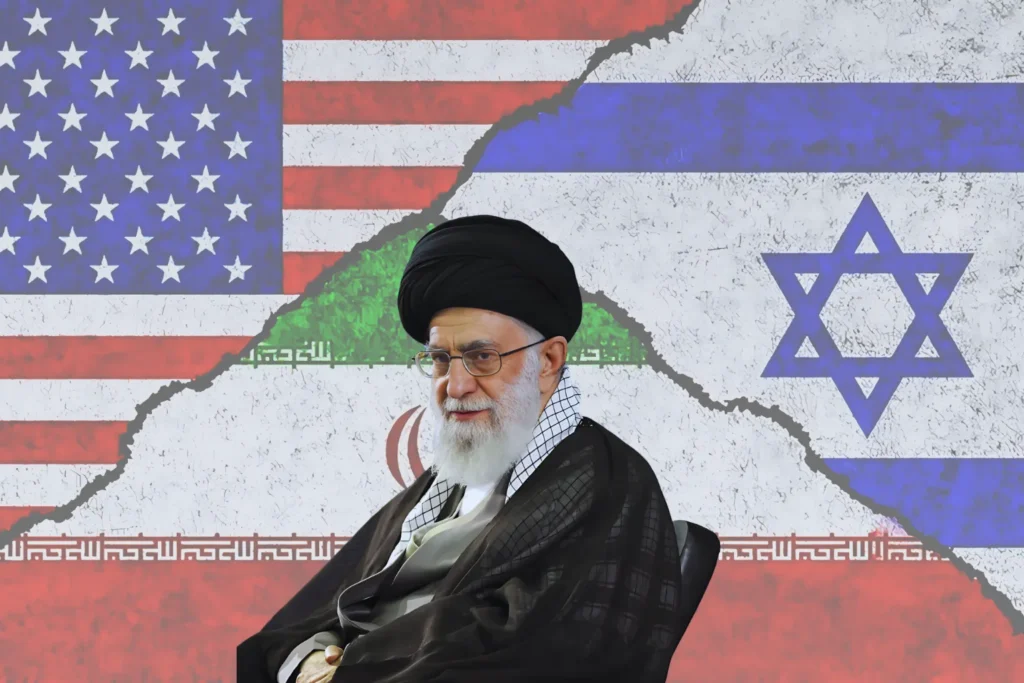
The Strikes Unfold
U.S. and Israeli warplanes initiated the assault at dawn on February 28, overwhelming Iranian air defenses with precision-guided munitions. Sources indicate the operation was planned during Israeli Prime Minister Benjamin Netanyahu’s Washington visit two weeks prior.
Initial waves focused on suppressing radar and anti-aircraft systems, allowing unimpeded access to high-value targets. B-2 bombers from U.S. Central Command obliterated ballistic missile silos, echoing the June 2025 strikes that hampered Iran’s nuclear enrichment.
Leadership Decapitated
Intelligence from the CIA tracked Khamenei’s movements for months, pinpointing a leadership gathering in Tehran. Israel executed the decapitation strike, eliminating Khamenei and 48 top officials, including family members and Revolutionary Guard commanders.
“This was surgical dominance,” a U.S. official stated. Khamenei’s death plunges Iran into chaos, with no clear successor amid reports of fragmented command chains.
Iranian Counterattacks
Iran responded swiftly, launching over 170 ballistic missiles at Israel and U.S. installations in Saudi Arabia, Iraq, Jordan, UAE, Qatar, Bahrain, and Kuwait. Casualties included three U.S. service members, prompting Trump to warn of sustained operations.
Hezbollah and Houthis condemned the strikes but held fire, possibly due to degraded Iranian support networks.
“The Iranian regime’s reign of terror ends today. We’ve given them every chance for peace, but they chose defiance,” said President Donald Trump in his announcement video.
Global Reactions
Markets reacted sharply, with oil prices surging 15% amid fears of Gulf disruptions. Saudi Arabia and the UAE expressed tacit support, while Russia and China condemned the “aggression,” vowing U.N. action.
Protests erupted in Iranian cities, with crowds celebrating Khamenei’s death in some areas, clashing with security forces in others.
Background/History
Ali Khamenei rose to power in 1989 after Ayatollah Ruhollah Khomeini’s death, succeeding as Iran’s second supreme leader. Born in 1939 in Mashhad to a clerical family, he endured a modest upbringing, studying in Qom and Najaf, embracing revolutionary Islam early.
Imprisoned multiple times under Shah Mohammad Reza Pahlavi, Khamenei aligned with Khomeini in exile, playing a key role in the 1979 Islamic Revolution that overthrew the monarchy. He survived a 1981 assassination attempt, losing use of his right arm, and served as president from 1981 to 1989.
As supreme leader, Khamenei consolidated power through the Islamic Revolutionary Guard Corps (IRGC), expanding Iran’s influence via proxies like Hezbollah, Hamas, and the Houthis. He labeled the U.S. “number one enemy” and Israel a close second, fueling decades of hostility.
U.S.-Iran tensions trace to the 1979 Tehran hostage crisis, escalating under Trump’s first term with the 2018 withdrawal from the Joint Comprehensive Plan of Action (JCPOA). The deal, negotiated by the Obama administration, curbed Iran’s nuclear program for sanctions relief, but Trump deemed it flawed.
In 2018, Trump imposed over 1,500 sanctions, slashing Iran’s oil exports by 1.5 million barrels daily and denying $10 billion in revenue. This “maximum pressure” aimed to renegotiate, adding ballistic missile restrictions and countering regional activities.
Biden’s attempts to revive the JCPOA faltered amid Iran’s uranium enrichment to near-weapons-grade levels and support for Russia’s Ukraine war. Trump’s 2025 return reinstated maximum pressure via National Security Presidential Memorandum 2 (NSPM-2), targeting nuclear threats, terrorism, and missiles.
By February 2025, sanctions intensified Iran’s economic crisis, sparking protests killing thousands. Tehran refused inspections, enriching uranium despite U.S. assessments of no active weapons-grade production.
June 2025 saw U.S.-Israeli strikes on three nuclear sites, obliterating facilities but not halting the program entirely. Indirect talks in Geneva and Vienna collapsed as Iran rejected demands to abandon nuclear ambitions.
Netanyahu’s advocacy, bolstered by his Trump alliance, framed Iran as an existential threat. Trump’s February 2026 State of the Union accused Iran of missile development threatening the U.S., setting the stage for Operation Epic Fury.
This timeline culminates in Khamenei’s end, a direct outcome of sustained U.S.-Israel strategy blending sanctions, diplomacy, and force.
What’s Next
Immediate fallout includes potential power vacuums in Tehran, with an interim council possibly led by the president, chief justice, and a cleric assuming control. Analysts predict weeks of unrest, with IRGC factions vying for dominance.
Trump signaled openness to talks with “new potential leadership,” but operations continue until objectives are met. Regime change could take four to five weeks, per Trump, risking broader conflict if proxies escalate.
Scheduled U.N. Security Council meetings may impose resolutions, while oil market volatility could persist. Long-term, a post-Khamenei Iran might pursue reforms, easing nuclear tensions and boosting regional stability.
Frequently Asked Questions (People Also Ask)
Who was Ali Khamenei and why was he targeted?
Ali Khamenei was Iran’s supreme leader since 1989, overseeing nuclear expansion and proxy terrorism. U.S. and Israel targeted him to dismantle the regime and end threats.
How did Israel and America coordinate the strikes?
Through intelligence sharing and joint planning, with U.S. handling air suppression and Israel executing leadership strikes, planned during Netanyahu’s Washington visit.
What impact does Khamenei’s death have on Iran’s nuclear program?
It disrupts command, but facilities remain. Strikes aimed to destroy capabilities, potentially delaying or ending weapons pursuit if regime change succeeds.
Why is Donald Trump called a schemer in this context?
Trump’s maximum pressure revival and regime change push portray him as a strategic manipulator, using sanctions and force to reshape Iran’s trajectory.
What are the risks of U.S.-Israel actions in Iran?
Escalation to wider war, involving Russia or China; economic shocks from oil disruptions; and humanitarian crises amid Iranian unrest.
How might this affect U.S. elections or global alliances?
Boosts Trump’s image as decisive, but casualties could erode support. Strengthens U.S.-Israel ties while straining relations with Iran allies.
What happens if Iranians overthrow the regime?
A new government could negotiate peace, end terrorism support, and integrate economically, benefiting U.S., worldwide, and Indian interests in stability.
In a world demanding bold leadership, this operation underscores the perils of unchecked aggression. For more breaking USA news, visit RIGHWAY daily.