
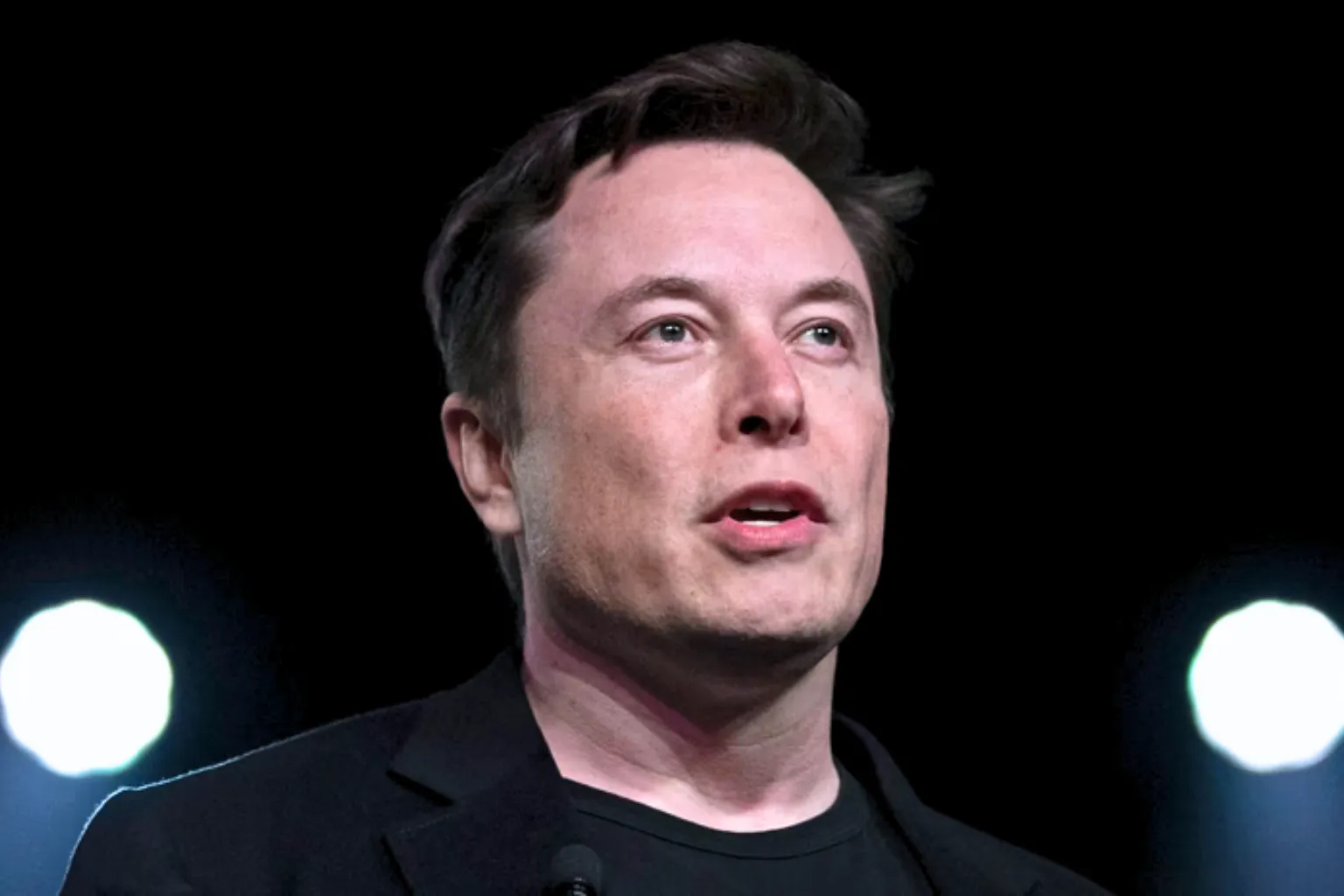
When a federal jury concluded that Elon Musk misled investors during his chaotic $44 billion Twitter purchase, the business world was put on notice. In a landmark verdict delivered in a San Francisco federal court, jurors determined that two tweets posted by the Tesla and SpaceX CEO in May 2022 contained false statements. This misinformation directly sank Twitter’s share price, harming retail traders and institutional shareholders alike.
The class action lawsuit, brought by investor Giuseppe Pampena, seeks an estimated $2.6 billion in damages. For entrepreneurs and financial professionals, understanding this rare legal defeat for a billionaire often dubbed “Teflon Elon” is critical. Executive volatility creates massive market risk. Whether you are building wealth or actively trading, learning how to safeguard your portfolio from sudden, tweet-driven market crashes is a mandatory skill in modern finance. Here is what you need to know to protect your capital.
What It Means That Elon Musk Misled Investors
When we say Elon Musk misled investors, we refer to a specific legal liability where a nine-person California jury concluded that his May 2022 tweets regarding the Twitter acquisition violated core securities rules. Musk attempted to publicly pause the binding purchase agreement over alleged bot data, tweeting claims that spooked the market and tanked Twitter’s stock. While cleared of a deliberate “scheme” to defraud, the civil liability remains massive. This is a classic example of market manipulation by proxy, where social media reach is weaponized, intentionally or not, against shareholder stability.
Why “Elon Musk Misled Investors” Matters in Modern Business & Finance
The fact that Elon Musk misled investors is a wake-up call for the financial sector. Musk’s net worth, recently estimated at $839 billion by Forbes, shields him personally, but retail traders lack that luxury. This verdict highlights the profound “key-man risk” inherent in companies tied to celebrity CEOs. For wealth builders, it proves that stock valuations can be instantly derailed by a single social media post, demanding a shift away from personality-driven investing toward rigorous fundamental analysis.
7 Proven Strategies for When Elon Musk Misled Investors
Here are actionable strategies to protect your wealth when market leaders spark sudden volatility:
- Prioritize Broad Index Diversification: Never allocate a dangerous percentage of your portfolio to a single company governed by an unpredictable CEO. Diversification dilutes the impact of one executive’s erratic behavior.
- Set Rigid Stop-Loss Orders: Protect your downside. If a prominent CEO tweets something that causes a stock to plunge overnight, an automated stop-loss ensures you exit the position before catastrophic losses mount.
- Verify Claims Through SEC Filings: Ignore the noise on X (formerly Twitter). Always cross-reference bold executive claims with official 10-K and 8-K filings submitted to the Securities and Exchange Commission.
- Hedge With Options Contracts: For high-volatility holdings, buying put options acts as an insurance policy. If a CEO tanks the stock price, the put option gains value, offsetting your equity losses.
- Monitor Institutional Capital Flow: Watch the “smart money.” Institutional investors rarely trade on emotion or tweets. If funds are holding steady during a PR crisis, it may signal underlying strength.
- Track Your Holding Periods: If you held shares during a disputed timeline, meticulously document your trades. You may be entitled to significant class action compensation.
- Focus Strictly on Fundamentals: Separate the art from the artist. Evaluate the company’s revenue, cash flow, and debt rather than the charismatic or controversial statements of its founder.
Common Business & Financial Mistakes to Avoid
The biggest mistake retail traders make is treating social media as verified financial data. Buying or selling solely based on a billionaire’s tweet is gambling, not investing. Furthermore, investors frequently underestimate the legal and financial gravity of an erratic executive until a multi-billion dollar lawsuit materializes, leaving them holding devalued assets.
Tools or Resources That Help With Executive Volatility
To combat misinformation, utilize the SEC’s EDGAR database for legally binding company disclosures. Platforms like the Bloomberg Terminal or financial news aggregators like Reuters provide real-time fact-checking. Additionally, algorithmic sentiment analysis tools can help you track public perception independently of a CEO’s personal social media feed.
Real-World Case Study: The Twitter Acquisition Fallout
The timeline of the Twitter acquisition is the ultimate case study in executive risk. In mid-May 2022, Musk tweeted that the $44bn deal was “temporarily on hold,” causing Twitter’s stock to plummet. Investor Giuseppe Pampena filed a class action suit representing shareholders who sold at a loss between May and October. Because Musk was eventually forced by the courts to uphold the contract, the intervening stock drop was deemed an artificial panic created by his false statements, resulting in a staggering $2.6 billion damage estimate.
Future Trends in Executive Accountability
We are entering an era of hyper-vigilance. The SEC is expected to aggressively tighten regulations surrounding how executives utilize social media for material disclosures. Furthermore, the finance industry will likely see a rise in AI-driven compliance tools that instantly flag or restrict potentially market-manipulating statements before they cause widespread financial damage.
Final Thought, The jury verdict confirming that Elon Musk misled investors is a historic moment for financial markets. It serves as a stark reminder that even the world’s richest individuals are subject to securities law. As an entrepreneur or investor, your best defense is a disciplined, data-driven approach that prioritizes fundamentals over social media hype. Review your portfolio today to ensure you aren’t overexposed to single-leader volatility.
FAQ SECTION
How much could Elon Musk pay for misleading investors?
Jurors calculated damages that a plaintiff’s lawyer estimated at roughly $2.6 billion. Because the jury found Musk liable for false statements that sank Twitter’s stock price, the final court order could force him to pay billions in compensation to harmed shareholders.
What tweets caused the Elon Musk investor lawsuit?
The lawsuit centered on two specific tweets posted by Musk in May 2022. He claimed his $44 billion acquisition of Twitter was on hold due to bot concerns. The jury determined these statements were false and directly caused Twitter’s share price to plunge.
Was Elon Musk found guilty of fraud?
No, the nine-person jury absolved Musk of broader fraud allegations. They explicitly found that he did not execute a deliberate “scheme” to defraud investors. However, they did find him civilly liable for violating securities rules regarding false and misleading statements.
Who filed the Twitter class action lawsuit?
Investor Giuseppe Pampena filed the class action lawsuit on behalf of Twitter shareholders. The suit represented individuals who sold their shares at an artificial loss between mid-May and early October 2022 due to Musk’s volatile social media commentary.
Will Elon Musk appeal the Twitter verdict?
Yes. Minutes after the San Francisco federal court announced the judgment, Musk’s legal team characterized the ruling as a “setback” and confirmed they will appeal the decision. Musk rarely accepts legal defeats without a prolonged fight.
For more breaking news on Career Growth, Net worth milestones, Goverment Benefits
and Self-Improvement strategies, visit RIGHWAY daily.