
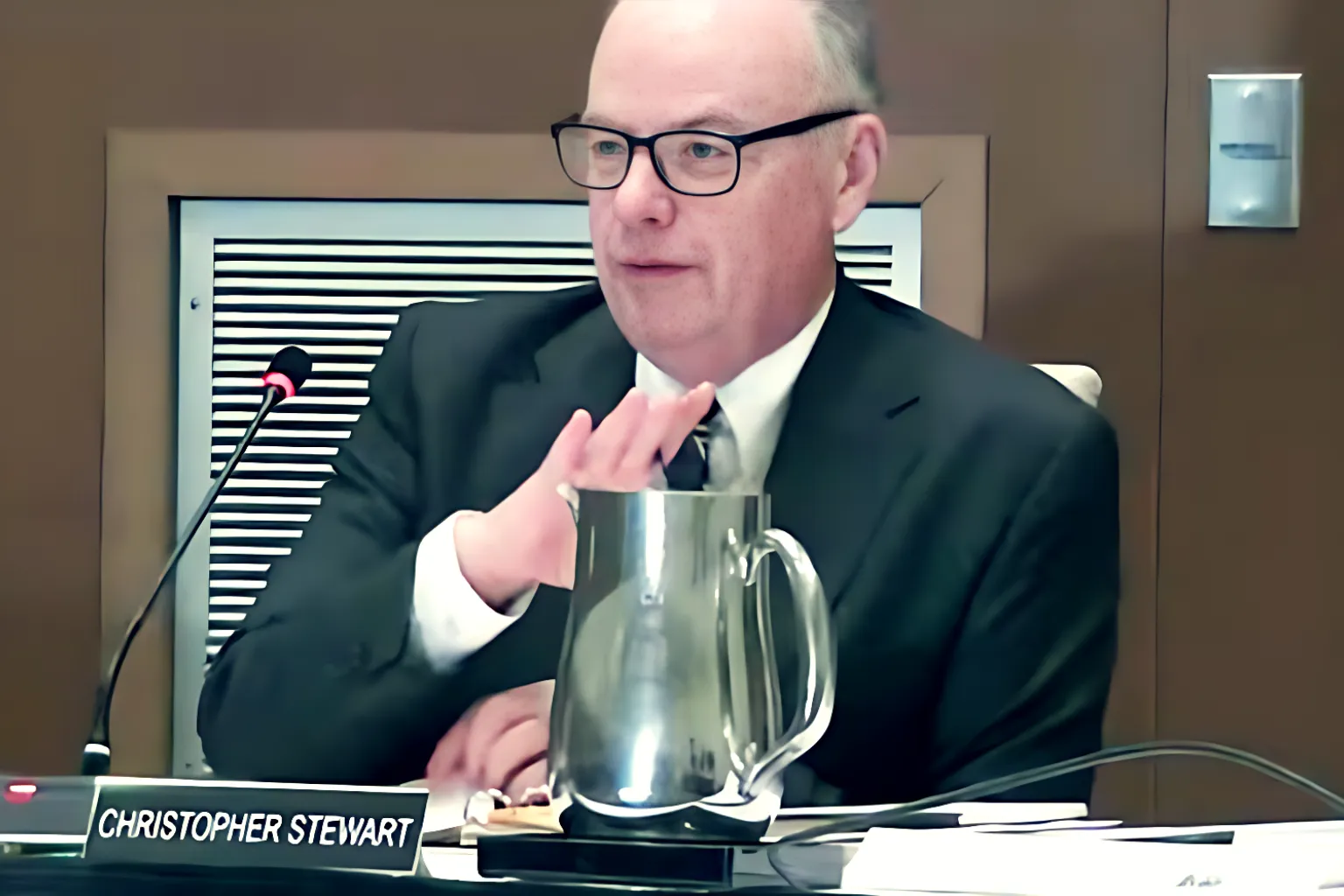
EUB Blocks NB Power Rate Boost Now
Fredericton, Canada – NB Power’s bid for a temporary 4.75% electricity rate increase starting April 1 was rejected by the New Brunswick Energy and Utilities Board (EUB) on March 9, 2026, as hearings on the utility’s full general rate application commenced in Fredericton. EUB Chair Christopher Stewart cited NB Power’s own business decisions, including prioritizing hearings for the Renewable Integration Grid Security (RIGS) project over the rate application, as the reason for the denial, forcing the utility to absorb potential revenue losses amid ongoing financial pressures.
Key Facts
- EUB Rejection: The board denied NB Power’s interim rate hike and revenue recovery request, deeming it an “extraordinary remedy” not warranted by the utility’s foreseeable delays.
- Hearing Timeline: General rate application hearings run from March 9 to March 20, 2026, with a decision unlikely before June, delaying any approved increases.
- Financial Impact: NB Power faces millions in lost revenue, exacerbating its $5.9 billion net debt as of September 2025.
- Broader Context: This follows successive rate hikes totaling 23% since 2023, amid rising energy poverty in New Brunswick.
This EUB decision underscores mounting tensions in New Brunswick’s energy sector, where NB Power’s chronic debt and operational challenges threaten rate stability and economic growth. With electricity costs outpacing income growth by 21% from 2021 to 2025, the ruling amplifies calls for debt relief and highlights the utility’s vulnerability to delays in grid modernization projects like RIGS, potentially driving higher future rates and straining households and businesses.
EUB’s Ruling Details
The EUB’s oral decision, delivered by Chair Christopher Stewart at the hearing’s outset, emphasized that NB Power’s request stemmed from self-inflicted scheduling conflicts. Stewart noted the utility opted to advance RIGS hearings from February 9-13, 2026, pushing back the rate application by five weeks.
This delay means no rate decision by April 1, NB Power’s fiscal year start. The utility had sought either the interim 4.75% hike or deferred recovery of losses post-decision.
Stewart rejected both, stating NB Power had mitigation options but ignored them. “An interim rate order is not intended to shield utilities from the known or reasonably foreseeable consequences of their own business decisions,” he said.
Official Statements
NB Power officials expressed disappointment but respect for the process. CEO Lori Clark, in a statement, reiterated the need for revenue to fund reliability investments amid growing demand.
Financial Ramifications
The ruling could cost NB Power $20-30 million in short-term revenue, based on prior estimates for similar delays. This adds pressure to its $5.9 billion net debt as of Q2 2025, up $57 million from March.
Analysts warn this exacerbates liquidity risks, with NB Power’s 93% debt-to-equity ratio the highest among Canadian peers.
Consumer Impact
Residential customers, already hit by 23% cumulative hikes since 2023, face added uncertainty. A 4.75% increase would add $10.90 monthly for average users (1,350 kWh). Businesses report 20-35% cuts in non-essential spending due to energy costs, per economic analyses. New Brunswick ranks second in Canada for energy poverty, with 6% of households spending over 6% of income on power.
RIGS Project Link
The denial ties directly to NB Power’s prioritization of the $3.5 billion RIGS project, a 400-500 MW gas/diesel plant in Centre Village for grid stability and renewables integration. RIGS, partnered with PROENERGY, aims to enable wind/solar by providing backup, but critics question its emissions and costs over 25 years.
Historical Context
NB Power, established in 1920 as a Crown corporation, has roots in the 1880s power companies. It became vertically integrated, handling generation, transmission, and distribution. Key milestones: Point Lepreau nuclear plant (1983) boosted capacity but led to refurbishment overruns, inflating debt from $2.9 billion in 2010 to $5.9 billion today.
Post-2010, debt-to-equity targets (80/20 by 2027) remain unmet, averaging 94% over a decade versus peers like Hydro-Québec at 75%. Rate hikes averaged lower than inflation until 2023, prioritizing affordability but deferring maintenance.
Energy Mix Evolution
New Brunswick’s generation: 40% nuclear, 27% fossil fuels, 21% hydro, 12% renewables (2021 data). Shifts toward renewables drive projects like RIGS, but fossil reliance persists for peaks, costing millions annually in imports. Per capita consumption: 17 MWh annually, high due to industrial demand.
Economic Backdrop
Rate instability hampers growth. Businesses like J.D. Irving cite energy costs as competitive barriers. Provincially, NB Power’s debt is New Brunswick’s largest contingent liability, per rating agencies, impacting credit ratings. Economists suggest forgiving $5 billion debt to taxpayers for rate relief, as payments crowd out investments.
Regulatory Framework
The EUB, under the Electricity Act, approves rates to ensure just and reasonable charges. Variances from forecasts are recovered via riders. Past decisions: In 2024/25-2025/26, EUB approved 9.14% average hikes, adjusting for Lepreau assumptions.
What’s Next
Hearings conclude March 20, with a decision by June, potentially approving the full 4.75% hike retroactively or adjusted. NB Power’s variance account hearing is February 20, possibly adding 0.04¢/kWh. Longer-term: RIGS operational by 2028, but debt could trigger bailouts or privatization reviews. Fallout includes higher arrears (14% of users) and calls for efficiency programs.
Frequently Asked Questions (People Also Ask)
What is NB Power’s current debt level?
NB Power’s net debt stands at $5.9 billion as of September 2025, with a 93% debt-to-equity ratio, the highest among Canadian utilities.
Why did the EUB deny the interim rate increase?
The board ruled the delay was due to NB Power’s business choices, like prioritizing RIGS hearings, and interim relief isn’t for self-caused issues.
How will this affect my electricity bill?
No increase April 1; any approved hike post-hearing may apply retroactively, adding $10.90 monthly for average residential use.
What is the RIGS project?
A 400-500 MW gas/diesel plant for grid security and renewables support, costing up to $3.5 billion over 25 years, starting 2028.
Is energy poverty a big issue in New Brunswick?
Yes, second-highest in Canada; 6% of households spend over 6% of income on power, worsened by 21% cost rise since 2021.
When will rates stabilize?
Unlikely soon; ongoing debt and investments suggest annual hikes, per CEO Lori Clark.
Could NB Power be privatized?
Speculation exists amid debt reviews, but no current plans; public consultations ongoing.
This EUB denial spotlights NB Power’s precarious finances, urging swift reforms to balance reliability and affordability. For more breaking news on energy markets, utility regulations, and financial strategies, visit RIGHWAY daily.