
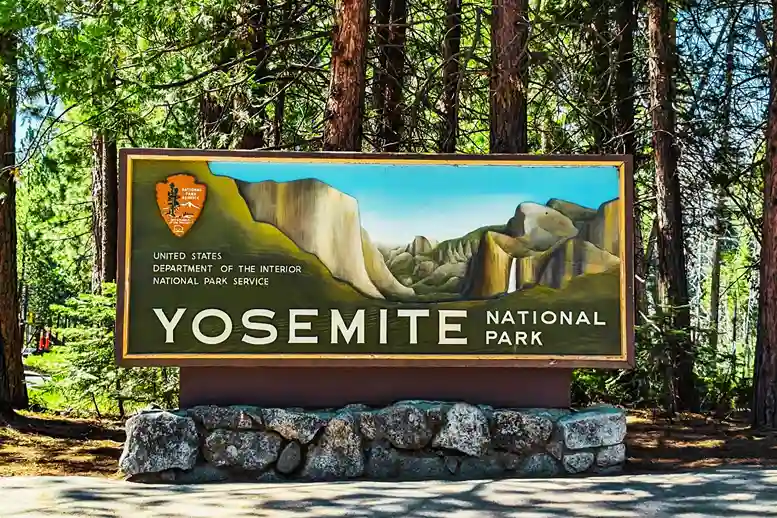
US national parks will soon be much more expensive for foreign tourists, with new “America First” fees effectively making many visits cost around three times more than before. From January 1, 2026, non‑US residents will face a new flat $100 per‑person surcharge at 11 of the most popular parks, on top of existing entry fees, and a steep jump in the annual pass cost, driving headlines that say US National Parks Now Cost Triple for international visitors.
On Wednesday, November 26, 2025, in Washington, D.C., the US Department of the Interior confirmed a sweeping fee overhaul that has stunned many travelers and tour operators around the world. Under a new policy shaped by President Donald Trump’s administration, foreign visitors to top US national parks will pay sharply higher entrance charges from early 2026, while American citizens and permanent residents keep their current lower rates. These changes are driving global concern and viral headlines such as US National Parks Now Cost Triple, as families and backpackers recalculate whether they can still afford bucket‑list trips to places like the Grand Canyon, Yellowstone, and Yosemite.
What Is Changing And When
Beginning January 1, 2026, non‑US residents without an annual pass will be required to pay an extra $100 per person to enter 11 of the most visited national parks, in addition to the usual vehicle or individual entry fees already charged at those sites. At the same time, the price of an annual pass for foreign visitors will jump from $80 to more than $250, which is more than triple the current cost and dramatically higher than the unchanged $80 annual pass for US citizens and permanent residents.
Also Read: Canada Student Visa Processing Time From India Now Fell 2025
The affected parks include iconic destinations such as the Grand Canyon in Arizona, Yosemite in California, Yellowstone in the western US, Rocky Mountain in Colorado, and the Great Smoky Mountains on the Tennessee–North Carolina border. Some parks that previously had relatively modest or even zero entrance fees, like Great Smoky Mountains National Park which focused on parking charges rather than gate fees, will now become significantly more costly for international travelers once the new surcharge is layered on top.
Why The US Says Fees Must Rise
The Trump administration argues that the new policy will “put American families first” by keeping national parks more affordable for US residents while asking foreign tourists to shoulder more of the cost of maintaining heavily visited public lands. The White House says higher foreign visitor fees are meant to raise hundreds of millions of dollars for conservation projects, repair aging infrastructure, and reduce a maintenance backlog that has grown to more than $22 billion across the National Park Service system.
Officials also stress that US taxpayers already subsidize parks through federal spending, so they view the extra fees for non‑residents as a way to make pricing “fairer,” arguing that foreign tourists currently enjoy access at rates similar to Americans even though they do not contribute via US taxes. Supporters of the new plan frequently point out that many other countries already charge higher prices for foreign visitors at national parks and heritage sites, suggesting that the US is simply aligning its approach with international norms.
How Much More Will Foreign Tourists Pay?
For many international visitors, the headline reality is clear: US National Parks Now Cost Triple compared with what they were used to paying for frequent or multi‑park trips. A non‑resident annual pass that once cost $80 will now exceed $250, more than three times as much, and a family of four entering a popular park without passes will face an extra $400 in one‑time surcharges, before any standard entrance or parking fees.
Individual park entry fees already range from roughly $20 to $35 per vehicle or $15 to $20 per person at destinations like Zion or the Grand Canyon, and these existing charges will still apply in addition to the new $100 per‑person foreign visitor fee. Travel agents say that for a typical overseas itinerary covering several parks, the total extra cost could easily reach several hundred dollars per traveler, especially when families or tour groups are involved.
Where The New Rules Apply
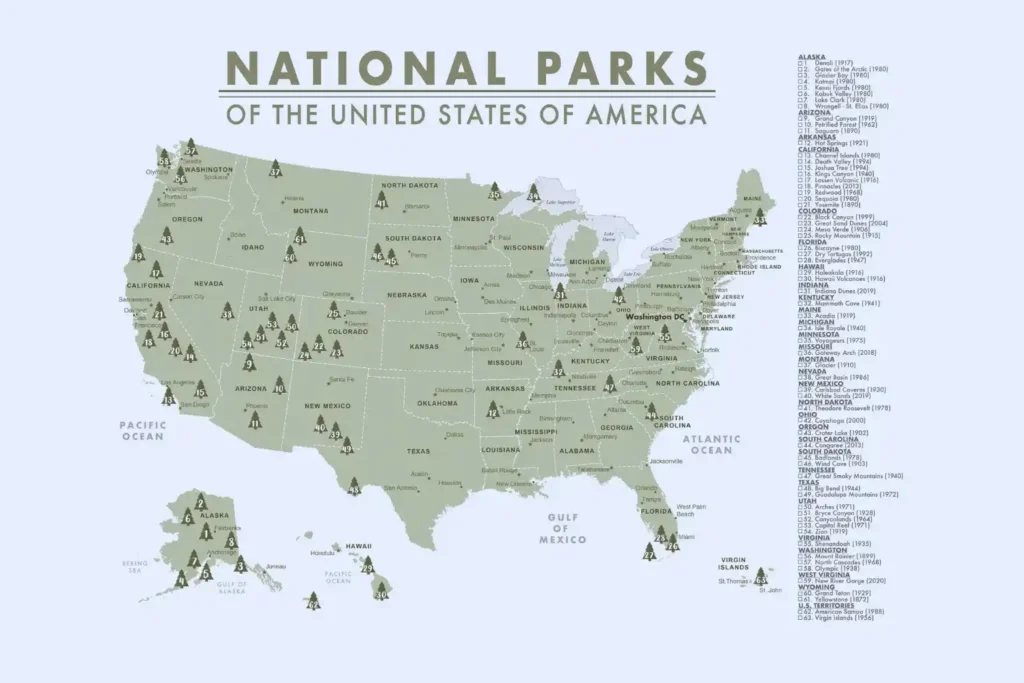
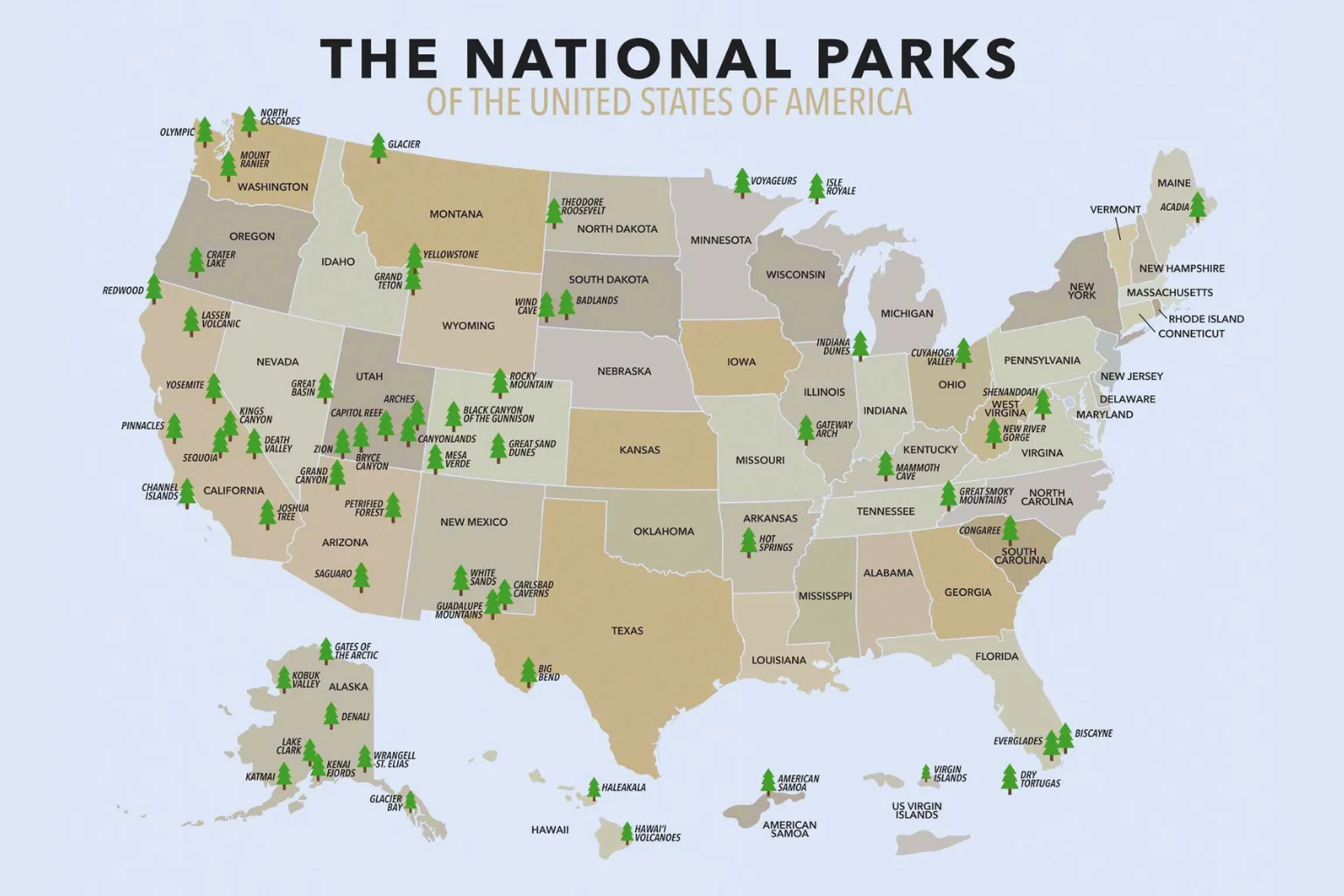
The “America‑first” pricing regime will initially cover 11 of the most popular and heavily visited US national parks, though the Interior Department has left open the possibility that it may expand the model in future years. Parks explicitly named in official and media reports include Grand Canyon National Park in Arizona, Yellowstone National Park spanning Wyoming, Montana, and Idaho, Yosemite National Park in California, Rocky Mountain National Park in Colorado, Everglades National Park in Florida, and the Great Smoky Mountains National Park along the Tennessee–North Carolina border.
Also Read: Superb Germany Tourist Visa For Indians: Application Process
Most of the more than 400 units managed by the National Park Service do not currently charge entrance fees, and only around 100 collect such charges, so the immediate impact of the $100 surcharge will be concentrated on the highest‑traffic destinations. However, these flagship parks account for a significant share of the system’s more than 330 million annual visitors, and they are the sites most likely to appear on international tourists’ bucket lists.
Policy Background And Executive Orders
This fee surge for foreign visitors follows a July 2025 executive order signed by President Donald Trump directing the Interior Secretary to raise national park fees for foreign tourists while keeping or making access cheaper for Americans. That order framed the move as part of a broader effort to “Make America Beautiful Again” and to invest in national treasures through user‑based funding, even as the administration proposed substantial budget cuts for the National Park Service.
Budget documents and congressional proposals have signaled potential reductions of hundreds of millions of dollars in park operations funding, and watchdog groups say the agency has already lost thousands of staff positions over recent years due to funding constraints and hiring limits. During a lengthy government shutdown earlier this decade, many parks remained nominally open but operated with skeleton crews, highlighting how stretched resources had become even before the latest fee changes.
Reaction From Tourists And The Travel Industry
The sudden realization that US National Parks Now Cost Triple for many foreign visitors has sparked a wave of shocked reactions on social media and in global travel forums. One commenter on a popular online discussion board calculated that a family of five could now face an extra $500 in surcharges just to walk through the gate of a single major park, calling the change “a brutal entry toll on nature.”
Tour operators who specialize in US road trips and outdoor adventures warn that the new pricing may discourage first‑time visitors from Europe, Asia, and Latin America, particularly budget travelers and younger backpackers who often plan multi‑park routes. Some industry groups fear that higher national park costs, combined with stricter visa rules and other travel hurdles, could further dampen inbound tourism at a time when international visitor numbers have only recently recovered from the pandemic and subsequent policy shifts.
Expert Analysis: Conservation Or Deterrent?
Conservation organizations and policy analysts say the idea of charging more to heavy users, including foreign tourists, is not new and can, in theory, help fund crucial repairs, trail maintenance, and habitat protection. However, critics argue that sharply higher fees targeted only at non‑residents risk sending an unwelcoming message and could undermine the idea of national parks as global heritage sites that belong to all humanity.
Also Read: Tata Sierra Tata Motors Stunning Comeback, New Features
Some advocacy groups note that, while the administration claims the new charges will help cut the maintenance backlog, it has also supported sizable cuts to the very agency tasked with caring for the parks, which could offset or overshadow any revenue gains. An independent conservation association has warned that budget ceilings and staff reductions already limit the National Park Service’s capacity, meaning fee hikes alone may not solve deep structural problems in park funding and management.
Voice From The Field
Outdoor economists say the policy mixes sensible user‑pays logic with controversial political messaging. “From a pure revenue standpoint, there is a case for asking high‑spending foreign tourists to contribute more,” said one US‑based tourism economist quoted in recent coverage. “But when the headline is US National Parks Now Cost Triple for non‑residents, the risk is that it looks less like conservation and more like a sign that America is closing its doors to the world.”
International travelers echo that concern in more personal terms. A German backpacker interviewed near Yosemite described the new plan as “a heartbreak,” explaining that visiting multiple US national parks had been a dream but might now be replaced by cheaper destinations in Canada or Europe. Travel agents in Asia and Latin America say clients are already asking whether they should bring forward trips to 2025 before the new fees land in January 2026.
Impact On Visitor Numbers And Local Economies
US national parks welcomed more than 331 million visitors in 2024, including millions from overseas, and gateway towns around major parks depend heavily on this inflow for hotel stays, restaurant spending, and outdoor guiding jobs. Analysts caution that if US National Parks Now Cost Triple for a large share of foreign guests, some may cancel or shorten their trips, potentially hurting rural communities that have already faced economic uncertainty in recent years.
On the other hand, some local business owners see a possible upside if higher fees reduce crowding at peak times and shift visitor patterns toward longer, higher‑spend stays rather than quick, low‑budget day trips. Economists stress that the actual impact will depend on how sensitive foreign tourists are to price changes and whether rival destinations market themselves as cheaper and friendlier alternatives for nature‑based travel.
What Foreign Tourists Should Do Now
For travelers planning a 2026 visit, the key message is to budget carefully and check the latest rules for each park well before departure. Those intending to visit multiple major parks within a single trip may still find the new $250‑plus non‑resident annual pass worthwhile, even though it now costs more than triple the old price, because paying the $100 per‑person surcharge at several sites could end up even more expensive.
Visitors arriving in 2025 still fall under the existing structure, so some travel advisors are urging flexible travelers to bring trips forward into this year if possible to avoid the higher 2026 charges. Prospective tourists should also watch for any updates on which specific parks are covered, how the fees will be collected at entrances, and whether there will be any exemptions or discounts for children or large groups.
Key Takeaways At A Glance
- From January 1, 2026, a new $100 per‑person surcharge will apply to non‑US residents at 11 top US national parks, on top of existing entry fees.
- The annual pass price for foreign visitors will jump from $80 to over $250, so US National Parks Now Cost Triple for many frequent or multi‑park international travelers.
- US citizens and permanent residents keep paying the current $80 annual pass fee and will not be subject to the new foreign‑visitor surcharge.
- The Trump administration says the policy will raise money for conservation and put American families first, while critics warn it could deter global visitors and damage the parks’ image.
FAQs About “US National Parks Now Cost Triple”
What does “US National Parks Now Cost Triple” actually mean?
It mainly refers to the non‑resident annual pass jumping from $80 to more than $250, which is over three times the old price, and to the extra $100 per‑person entrance charge that foreign visitors will pay at 11 major parks on top of existing fees.
When do the new fees for foreign visitors start?
The higher fees, including the $100 per‑person surcharge and the tripled non‑resident annual pass cost, are scheduled to take effect on January 1, 2026.
Do the new fees apply to US citizens and permanent residents?
No, the new surcharges target non‑US residents only, while American citizens and permanent residents will continue to pay the current $80 annual pass rate and standard entry fees without the added foreign visitor charge.
Which national parks will charge the $100 foreign visitor fee?
The $100 surcharge will apply at 11 of the most popular US national parks, including Grand Canyon, Yellowstone, Yosemite, Rocky Mountain, Everglades, and Great Smoky Mountains, with specific lists provided by the Interior Department.
Why is the US government increasing national park fees for foreigners?
Officials say the policy aims to prioritize American families, raise revenue for conservation and infrastructure, and ensure that international visitors contribute more fairly to the cost of maintaining heavily visited parks.
Will these changes reduce overcrowding in US national parks?
Experts say higher prices may discourage some foreign tourists, but it is unclear whether the shift will significantly ease crowding, which is still driven mostly by domestic visitors who are not subject to the new surcharge.
How will this affect local economies near the parks?
Tourism‑dependent towns fear that fewer foreign visitors, or shorter stays, could reduce spending on lodging, dining, and tours, though some businesses hope that visitors who do come will stay longer and spend more per trip.
Are there any fee‑free days or discounts left?
The Interior Department has announced several “patriotic fee‑free” days in 2026 for US residents, tied to holidays like Memorial Day and Independence Day, but these do not remove the new surcharges for foreign visitors at the covered parks.
Can international visitors avoid the $100 fee by buying an annual pass?
Reports indicate that the $100 per‑person surcharge is aimed at visitors without an annual pass, so foreign tourists who purchase the much higher non‑resident annual pass may avoid paying the per‑visit surcharge, though final implementation details should be checked closer to travel dates.
Should foreign tourists still plan US national park trips after the price changes?
Travel experts say the parks remain unique global attractions, but anyone planning a trip after 2025 should budget more, compare costs with other destinations, and decide whether the higher fees match the personal value of experiencing iconic American landscapes.